
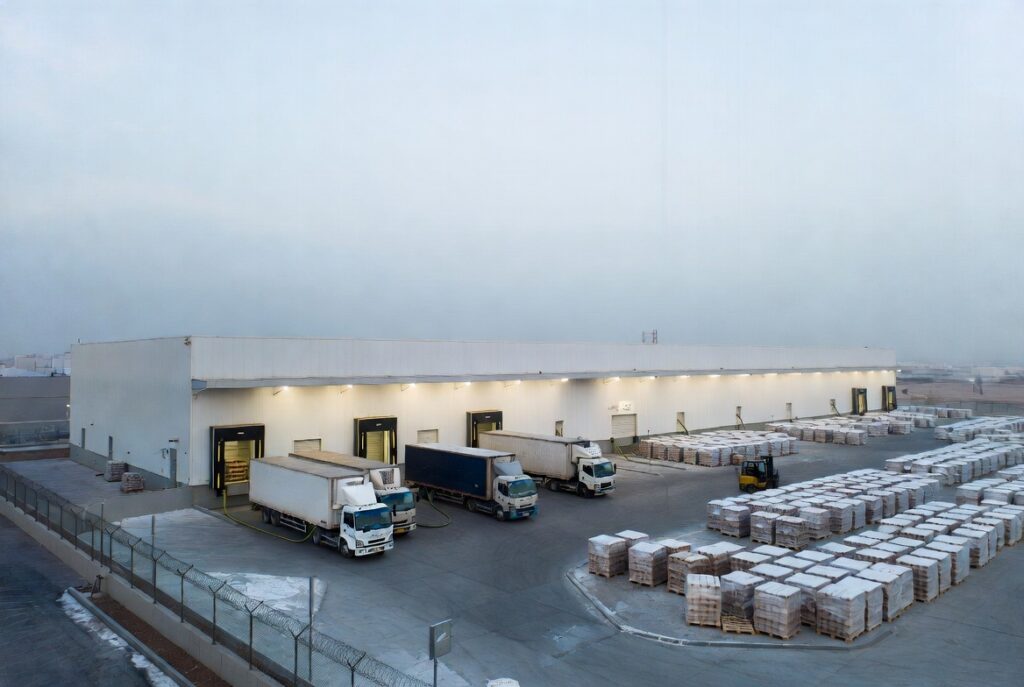
Introduction
In the harsh desert climate of Saudi Arabia, maintaining the integrity of perishable goods presents a significant challenge. Frozen Storage has become an indispensable part of the modern cold chain logistics system, enabling businesses to preserve food products, pharmaceuticals, and other temperature-sensitive items for extended periods without compromising quality.
As the Kingdom advances toward greater food security and economic diversification under Vision 2030, professional frozen storage infrastructure is playing a vital role. This guest post examines the importance of frozen storage, its strategic value in key commercial hubs like Jeddah and Dammam, and why Units (units.sa) has emerged as one of the top frozen storage providers in Saudi Arabia.
What is Frozen Storage?
Frozen Storage refers to specialized warehousing facilities designed to maintain products at sub-zero temperatures, typically -18°C or lower. At these temperatures, microbial activity and enzymatic reactions are virtually halted, allowing perishable goods to be preserved for months or even years while retaining their nutritional value, texture, flavor, and safety.
Common products stored in frozen facilities include:
- Meat, poultry, and seafood
- Frozen fruits and vegetables
- Ice cream and dairy products
- Ready-to-eat meals and processed foods
- Certain pharmaceuticals and biological materials
Modern frozen storage warehouses are equipped with advanced refrigeration systems, real-time temperature monitoring, backup power generators, and strict hygiene protocols to meet SFDA (Saudi Food and Drug Authority) and international standards.
The Growing Demand for Frozen Storage in Saudi Arabia
Saudi Arabia’s rapid population growth, urbanization, and expanding food retail sector have significantly increased the need for reliable Frozen Storage. The country imports a large portion of its protein and dairy requirements while simultaneously developing local production capabilities. This dual dynamic has created massive demand for professional frozen storage solutions.
Key factors driving this growth include:
- Rising consumption of convenience and frozen foods
- Expansion of supermarkets, hypermarkets, and online grocery platforms
- Growth of the hospitality and foodservice industry
- Government initiatives to reduce food waste and enhance national food security
- Increasing pharmaceutical and healthcare requirements for temperature-controlled storage
Professional frozen storage helps bridge the gap between ports, production facilities, and consumers while minimizing spoilage in the Kingdom’s extreme climate.
Frozen Storage in Jeddah
Jeddah, as the commercial gateway and home to the Kingdom’s busiest port, plays a critical role in the national cold chain. Frozen Storage in Jeddah is essential for handling large volumes of imported frozen meat, seafood, and processed foods arriving via sea freight.
Facilities in Jeddah are optimized for:
- High-volume, fast-turnover operations
- Quick port-to-warehouse movement
- Multi-temperature storage capabilities
- Distribution to Makkah, Madinah, and the western region
During peak seasons such as Hajj and Umrah, demand for frozen storage in Jeddah surges significantly. Leading providers ensure uninterrupted cold chain integrity from vessel discharge to final delivery, supporting the region’s massive hospitality demands.
Frozen Storage in Dammam
Dammam and the Eastern Province serve as the industrial and agricultural powerhouse of Saudi Arabia. Frozen Storage in Dammam is crucial for local poultry producers, seafood processors, food manufacturers, and large-scale distributors serving the eastern market and GCC countries.
Key advantages in Dammam include:
- Proximity to major industrial zones and ports
- Strong support for local manufacturing and export activities
- Excellent connectivity through road, rail, and sea transport
- Capacity to handle both imported and domestically produced frozen goods
The region’s expanding population and industrial growth have made reliable frozen storage a strategic necessity. Modern facilities here emphasize energy efficiency and sustainability to counter the challenging coastal climate.
Key Benefits of Professional Frozen Storage
Partnering with expert frozen storage providers delivers substantial benefits:
- Extended Shelf Life — Maintains product quality and safety for extended periods.
- Reduced Waste — Minimizes spoilage and financial losses in high-temperature environments.
- Food Safety & Compliance — Ensures adherence to strict SFDA and HACCP standards.
- Supply Chain Reliability — Maintains consistent temperature control throughout the cold chain.
- Cost Optimization — Prevents expensive product recalls and reduces inventory turnover pressure.
- Scalability — Flexible solutions for seasonal peaks and business expansion.
- Sustainability — Modern facilities use energy-efficient technologies and eco-friendly refrigerants.
For food importers, manufacturers, retailers, and hospitality businesses in Saudi Arabia, professional frozen storage is a strategic asset that supports both profitability and regulatory compliance.
Modern Technologies in Frozen Storage
Today’s leading frozen storage facilities incorporate advanced technologies such as:
- IoT sensors for continuous temperature and humidity monitoring
- Automated Warehouse Management Systems (WMS)
- Energy-efficient ammonia or CO₂ refrigeration systems
- Backup power solutions and emergency protocols
- Real-time alerts and remote monitoring capabilities
- RFID inventory tracking for better traceability
These technologies help overcome Saudi Arabia’s climatic challenges while ensuring maximum reliability and product integrity.
Why Units (units.sa) is a Top Frozen Storage Provider
Units has established itself as one of the leading warehousing and logistics companies in Saudi Arabia. With modern infrastructure and a customer-first philosophy, Units offers state-of-the-art Frozen Storage solutions tailored to the needs of the Saudi market.
Units (units.sa) stands out with:
- Advanced multi-temperature facilities (frozen, chilled, and ambient)
- Precise temperature control with 24/7 monitoring systems
- Strategic locations in Jeddah, Dammam, and other key hubs
- Full compliance with SFDA and international food safety standards
- Flexible storage options for short-term and long-term requirements
- Efficient inbound, storage, and outbound logistics support
- Experienced team dedicated to maintaining the highest standards of product quality
Whether you are an importer securing large shipments, a manufacturer managing production overflow, or a retailer balancing seasonal inventory, Units provides reliable, secure, and cost-effective frozen storage solutions.
Visit units.sa to explore how their expertise can strengthen your cold chain operations.
Future Trends in Frozen Storage
The frozen storage sector in Saudi Arabia is poised for further innovation with greater adoption of automation, AI-driven demand forecasting, sustainable refrigeration technologies, and deeper integration with e-commerce cold chain delivery. Companies like Units are at the forefront of these advancements, helping clients build future-ready supply chains.
Conclusion
Frozen Storage is far more than cold rooms — it is a critical enabler of food safety, supply chain resilience, and business success in Saudi Arabia. As demand for high-quality frozen products continues to grow, access to professional frozen storage has become essential for companies operating in Jeddah, Dammam, and across the Kingdom.
Units (units.sa) has proven itself as a top-tier provider of Frozen Storage in Jeddah, Frozen Storage in Dammam, and nationwide. Their modern facilities, advanced technology, strategic locations, and unwavering commitment to quality make them the trusted partner for businesses seeking excellence in temperature-controlled logistics.
Protect your products, reduce waste, and build a stronger supply chain by partnering with Units — a leader in professional frozen storage solutions in Saudi Arabia. Visit units.sa today to discover customized frozen storage services designed for your success.
(Word count: approximately 2020)
5 FAQs
1. What temperature is maintained in frozen storage?
Frozen storage typically maintains temperatures at -18°C or below to ensure long-term preservation and food safety.
2. What products are commonly stored in frozen facilities?
Meat, poultry, seafood, frozen vegetables, ice cream, ready meals, and certain pharmaceutical products.
3. Why is professional frozen storage important in Saudi Arabia?
The extreme heat makes natural preservation impossible. Professional facilities maintain the cold chain, reduce spoilage, and ensure compliance with SFDA regulations.
4. Does Units offer frozen storage in Jeddah and Dammam?
Yes. Units provides modern frozen storage facilities in Jeddah, Dammam, and other key locations with advanced monitoring and full regulatory compliance.
5. What makes Units (units.sa) a top frozen storage provider?
Units offers state-of-the-art multi-temperature warehouses, 24/7 monitoring, strategic locations, flexible solutions, and excellent service standards tailored to the Saudi market. Visit units.sa for more information.