Ambient Storage
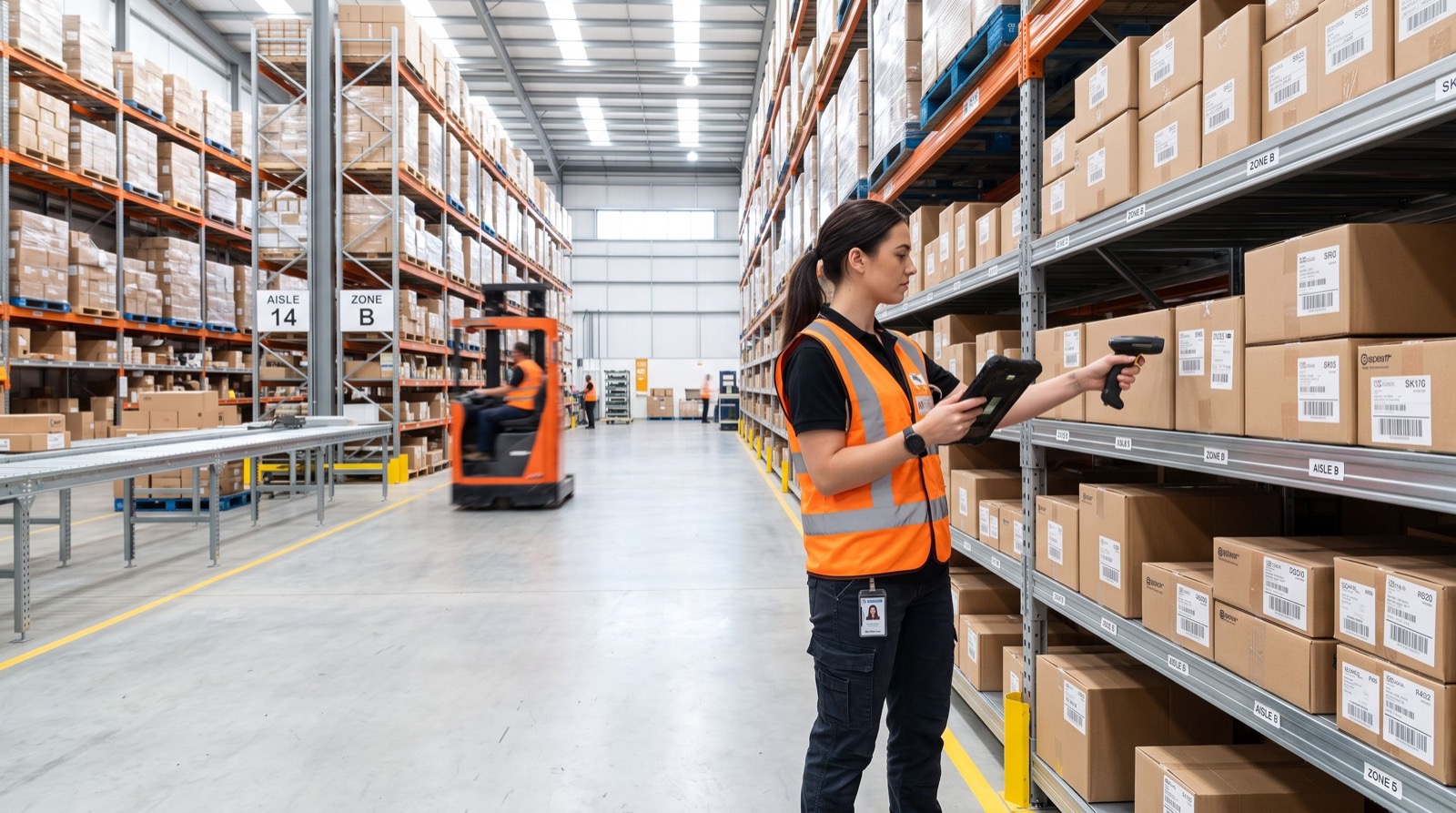
Ambient Storage refers to warehousing facilities that maintain natural, unrefrigerated conditions typically between 15°C and 30°C, suitable for products that do not require temperature control. Unlike chilled or cold storage, ambient storage relies on proper ventilation, humidity management, and protection from external elements rather than mechanical refrigeration. This cost-effective storage solution serves industries including dry foods, beverages, paper products, textiles, electronics, construction materials, and non-perishable consumer goods.
Products suitable for ambient storage include canned goods, rice, flour, sugar, pasta, cooking oils, soft drinks, bottled water, snacks, coffee, tea, cleaning supplies, toiletries, office supplies, furniture, auto parts, and packaging materials. While these products do not require cold temperatures, they still need protection from direct sunlight, excessive heat, dust, pests, and moisture.
Key features of professional ambient storage include adequate roof insulation to prevent heat absorption, ventilation systems for air circulation, humidity control to prevent mold and corrosion, pest management programs, secure loading docks, and inventory management systems. Unlike cold storage, ambient facilities consume significantly less energy, resulting in lower operating costs passed to customers.
Businesses benefit from ambient storage through reduced warehousing expenses compared to temperature-controlled alternatives. Seasonal products can be stored for year-round availability. Bulk purchasing becomes feasible with proper storage space. Distribution efficiency improves when inventory is located near target markets.
Ambient Storage in Jeddah
Jeddah, Saudi Arabia’s commercial capital on the Red Sea coast, faces unique ambient storage challenges due to its climate. Summer temperatures regularly exceed 45°C, and humidity often surpasses 80 percent. Ambient Storage in Jeddah must therefore be specifically designed for these extreme conditions—standard warehouses in milder climates would fail miserably.
Proper ambient storage facilities in Jeddah feature enhanced roof and wall insulation to reduce solar heat gain. Ventilation systems are more powerful to push hot air out and draw cooler air in during evening hours. Humidity control is critical—excess moisture damages paper products, causes rust on metal goods, promotes mold growth on organic materials, and degrades cardboard packaging. Dehumidification equipment and moisture-absorbing materials protect stored products.
Jeddah’s position as Saudi Arabia’s primary import gateway means vast quantities of ambient goods arrive weekly at Jeddah Islamic Port. Importers need immediate warehousing for containerized cargo including packaged foods, beverages, electronics, furniture, and construction materials. Ambient storage facilities near the port reduce transportation costs and speed inventory turnaround.
Industries relying on Jeddah’s ambient storage include food and beverage importers storing dry and canned goods, retailers maintaining regional distribution centers, construction companies storing materials, and e-commerce fulfillment centers serving Jeddah’s growing online shopping market. Many facilities offer value-added services including repackaging, labeling, quality inspection, and pick-and-pack operations.
Ambient Storage in Dammam
Dammam, the capital of Saudi Arabia’s Eastern Province, presents different ambient storage requirements than Jeddah. While summers are similarly hot, humidity is generally lower, but occasional dust storms create unique challenges. Ambient Storage in Dammam must address these regional conditions while serving the area’s industrial and commercial base.
Dammam’s proximity to King Abdulaziz Port and the King Fahd Causeway connecting to Bahrain makes it a strategic logistics hub for both Saudi Arabia and neighboring GCC countries. Ambient storage facilities in Dammam handle goods destined for the Eastern Province’s 1.5 million residents, plus transshipment to Qatar, Kuwait, and the UAE.
The Eastern Province’s industrial sector creates specific ambient storage demands. Manufacturing plants require raw material warehousing including plastics, chemicals (non-hazardous), packaging supplies, and components. Finished goods awaiting distribution need secure storage. Construction projects in the region rely on ambient storage for materials like pipes, fittings, electrical components, and tools.
Dust protection is essential in Dammam facilities. Proper door seals, positive air pressure systems, and regular cleaning protocols prevent fine dust infiltration that damages electronics, contaminates food packaging, and creates unsafe work environments. Modern ambient storage warehouses in Dammam incorporate these features as standard.
Units: Your Ambient Storage Partner Across Saudi Arabia
Across Jeddah, Dammam, and the entire Kingdom, one name stands as a top provider of ambient storage solutions: Units. Operating from their website units.sa, Units has earned an exceptional reputation for reliable, professional warehousing tailored to Saudi Arabia’s unique environmental conditions.
What makes Units the preferred partner? Their strategic locations in both Jeddah and Dammam provide coverage across the Kingdom’s western and eastern regions. Their climate-optimized facilities feature enhanced insulation, powerful ventilation, humidity control, and dust protection specifically engineered for Saudi conditions. Their flexible storage options accommodate small businesses needing pallet-space rental and large enterprises requiring dedicated warehouse zones.
Units understands Saudi Arabia’s specific challenges. Their Jeddah facility prioritizes humidity control and heat management. Their Dammam facility emphasizes dust protection and industrial client support. Both locations offer secure 24/7 monitoring, online inventory access, bilingual Arabic-English staff, and transparent pricing without hidden fees.
Value-added services include container de-vanning, palletization, repackaging, labeling, quality inspection, order picking, and local distribution. Units works with clients to create customized storage plans matching specific product requirements and budget constraints.
Visit units.sa today to request a quote, schedule a facility tour, or speak with a storage specialist. Store your ambient goods with confidence—choose Units.
Frequently Asked Questions (FAQs)
Q1: What is the temperature range in your ambient storage facilities?
Units’ ambient storage facilities maintain natural temperatures typically between 18°C and 30°C, depending on external conditions. Unlike chilled storage, Units does not use mechanical cooling, but facilities are insulated and ventilated to prevent extreme heat buildup. For products requiring specific temperature ranges below 18°C, Units recommends chilled storage solutions also available through their website.
Q2: How do you protect products from humidity damage in Jeddah?
Units’ Jeddah facility is equipped with industrial dehumidification systems, moisture-absorbing materials strategically placed throughout the warehouse, and humidity monitoring sensors triggering alerts if levels exceed thresholds. Ventilation systems are programmed to exchange air during lower-humidity periods (typically night and early morning). These measures protect paper products, electronics, and other humidity-sensitive goods.
Q3: Is my inventory insured while stored at Units?
Yes, Units offers comprehensive storage insurance options covering fire, theft, water damage, and other risks. Clients may use Units’ insurance or provide their own policy documentation. Detailed insurance terms and coverage limits are provided during contract signing. Units recommends all clients maintain active insurance regardless of provider.
Q4: Can I access my stored products outside normal business hours?
Yes, Units offers 24/7 access for clients requiring after-hours retrieval or restocking. Advance notification is required for security purposes, but same-day access is typically available. Extended access may incur additional fees depending on frequency and timing. Contact the Units team to discuss your specific access requirements.
Q5: How does ambient storage pricing compare to chilled storage?
Ambient storage is significantly more affordable than chilled or cold storage because no refrigeration equipment, electricity for cooling, or backup generator systems are required. Typical ambient storage rates at Units are 40-60 percent lower than chilled storage rates. For products that do not require temperature control, ambient storage represents substantial cost savings. Visit units.sa for current pricing.