Dog Waste Bags Guide: Choosing Strong, Leak-Proof Bags in 2026
Dog waste bags seem like the simplest purchase in pet care, yet a flimsy bag can turn a routine cleanup into a mess you will not forget. Choosing strong, leak-proof bags protects your hands, your car, and your peace of mind on every walk and yard sweep. In this guide I share what to look for in a quality bag, how thickness and size affect performance, and the disposal practices that keep your cleanup responsible in 2026.
After years of testing bags of every kind, I have learned that the cheapest roll almost always costs you more in the end. Let’s find bags that actually hold up.
Why bag quality matters more than price
A torn bag mid-walk is more than an annoyance. It exposes you to bacteria and parasites and undoes the entire point of picking up. The Centers for Disease Control and Prevention notes that dog feces can carry parasites and bacteria, so a bag that fails is a genuine hygiene risk, not just an inconvenience.
Strong bags keep waste sealed from ground to bin. That reliability is worth a few extra cents per bag, especially for large dogs whose volume tests every seam.
What makes a dog waste bag strong?
Not all bags are built alike. These are the features that separate a dependable bag from a disappointing one.
- Thickness: Measured in microns; thicker walls resist punctures and tears.
- Size: Big enough to tie off easily and cover large loads.
- Leak resistance: Sealed seams that keep liquid contained.
- Easy opening: Bags that separate cleanly save frustration in the cold.
For yard cleanups and multi-dog households, I reach for heavy duty garbage bags that resist tearing under real weight. A strong bag pairs perfectly with a sturdy scoop for a mess-free routine.
Which bag size and thickness do you need?
Match the bag to your dog and your cleanup style. This table gives quick guidance based on common situations.
| Situation | Recommended size | Thickness priority |
|---|---|---|
| Small dog, walks | Standard roll bags | Medium |
| Large dog, walks | Extra-large bags | High |
| Yard sweeps | Heavy-duty larger bags | High |
| Multi-dog household | Large, thick bags | Very high |
The role of a good scooper
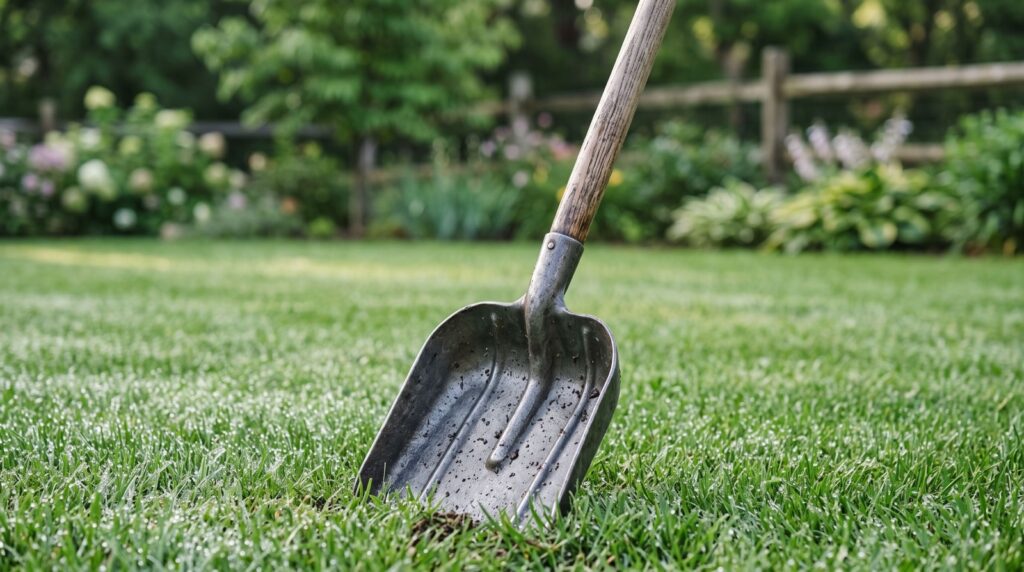
Bags work best alongside the right tool. A Pooper Scooper metal jaw lifts waste cleanly and drops it straight into an open bag, so your hands never come close to the mess. Together they make cleanup fast and hygienic.
Responsible disposal practices
Bagging waste is only half the job. Where it ends up matters just as much. The U.S. Environmental Protection Agency lists pet waste as a real contributor to water pollution, so never toss bags into storm drains or leave them near creeks.
Always dispose of bagged waste in proper trash bins. Seal each bag tightly, use a lidded outdoor container at home, and carry your waste to a designated bin on walks. These habits keep pathogens out of local waterways.
What about biodegradable bags?
Biodegradable and compostable bags appeal to eco-conscious owners, but read labels carefully. Many require industrial composting to break down and will not degrade in a landfill. Prioritize strength first, then choose the most sustainable strong option you can find.
Building a smart bag-buying habit
Buy in bulk to lower your per-bag cost, and keep rolls stocked in multiple places: by the door, in the car, and clipped to the leash. Running out is never an excuse to leave waste behind, and a well-stocked home makes cleanup automatic.
If you manage a property or your yard has fallen behind, quality service providers can handle a deep clean, after which strong bags and a good scooper keep things maintained.
Common bag mistakes to avoid
- Choosing the thinnest bags to save a few cents.
- Using bags too small to tie off securely.
- Leaving bagged waste on trails or curbs.
- Flushing waste or tossing bags in storm drains.
Storing and organizing your bag supply
How you store bags affects how reliably you use them. Keep a roll clipped to every leash, a box by the back door, and a spare stash in the car. When bags are always within reach, running out stops being an excuse to leave waste behind.
Buying in bulk lowers your cost per bag substantially, and a large supply means you restock less often. Store bulk boxes in a cool, dry place so the material stays strong and does not degrade before you use it.
Keeping bags accessible on walks
A leash-mounted dispenser is a small upgrade that pays off daily. It keeps a fresh roll at your fingertips so you never fumble for a bag at the worst moment. Refill it every few days as part of your routine, and you will always be ready.
- Clip a dispenser to every leash you own.
- Keep a box by each door your dog uses.
- Stash a spare roll in the car and any bag you carry.
- Buy in bulk and store in a cool, dry spot.
Organized supplies remove every barrier to responsible cleanup. In my experience, the owners who never leave waste behind are simply the ones who are never caught without a bag.
Frequently Asked Questions
How thick should dog waste bags be?
Thicker is safer. For small dogs, medium-thickness bags suffice, but large dogs and yard sweeps call for heavy-duty bags with reinforced walls that resist punctures and leaks.
Are biodegradable dog waste bags better?
They can be more sustainable, but many need industrial composting to break down and offer little benefit in a landfill. Choose strength first, then pick the most eco-friendly durable bag available.
Can I flush dog waste instead of bagging it?
Generally no. Most municipal systems are not designed for it, and the bags certainly cannot be flushed. Bag waste securely and place it in proper trash bins instead.
How many dog waste bags should I keep on hand?
Stock enough to never run out. Keep rolls by the door, in the car, and on the leash, and buy in bulk to lower cost. A well-stocked supply makes consistent cleanup effortless.
Final thoughts
Dog waste bags are small but mighty, and choosing strong, leak-proof options transforms every cleanup. Prioritize thickness, size, and sealed seams, pair your bags with a reliable metal scooper, and always dispose of waste responsibly. Make these smart choices in 2026 and you will never again dread a torn bag or a messy walk.